Linguistic Variation during Human-Computer Interaction
Presenters: Georgia Zellou
T1TFB2
We are currently in a new era of human history: people are regularly using spoken language to communicate with technological agents and generative AI systems. This workshop considers both the theoretical implications and the practical applications of speech communication patterns during human-computer interaction. We will examine linguistic theories accounting for variation in human language patterns in tandem with human-computer interaction frameworks which seek to understand how people interact with non-human entities. We will consider questions such as: how are people’s speech and language patterns during human-AI interactions similar to, or different from, human-human interactions?; what are the mental models people use when communicating with technological agents, and how might they vary based on user experience, context, culture, and over the lifespan?; how can linguistic variation during HCI provide insight to the cognitive and social representations underlying linguistic communication more broadly?. We also touch on the implications of this line of work for addressing major societal issues in speech technology, such as: linguistic and social disparities in the availability and functioning of language models; the role of linguistic variation in credibility and the spread of misinformation; and applications for language learning.
Keywords: AI, Communicative Efficiency, Computational Linguistics, Perception, Production, Productivity, Variation, Corpus Linguistics
Room GER 242, Tuesdays and Fridays, July 8-July 22, 10:30am - 11:50am
Tuesdays and Fridays
Presenters
UC Davis
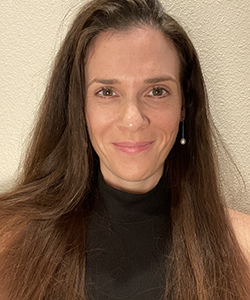
Georgia Zellou is a Full Professor of Linguistics at UC Davis. Her research aims to understand how and why speech sounds vary across languages and during linguistic communication. Her research program addresses foundational questions in phonetic theory, laboratory phonology, and theories of the phonetic underpinnings of phonological variation and change, with applications to speech technology and language acquisition. She works on these issues in a variety of languages (such as Lakota, Tashlhiyt Berber, Tigrinya, dialectal Arabic, Mandarin, French, and German). Georgia has (co-)directed the Phonetics Lab at UC Davis since 2014. Her work has been funded by numerous agencies, including NSF, Amazon Science, Fulbright, and the Hellman Foundation. Georgia was co-Director of the 2019 LSA Linguistic Institute at UC Davis and was inducted as a Fellow of the Linguistic Society of America in 2020 for this role. Georgia is currently co-Editor-in-Chief for Linguistics Vanguard. She has served on several LSA committees, including the Public Relations Committee, the Awards Committee, the Committee on Institutes and Fellowships, and the Committee for Editors of Linguistics Journals.
Room GER 242, Tuesdays and Fridays, July 8-July 22, 10:30am - 11:50am
Tuesdays and Fridays